

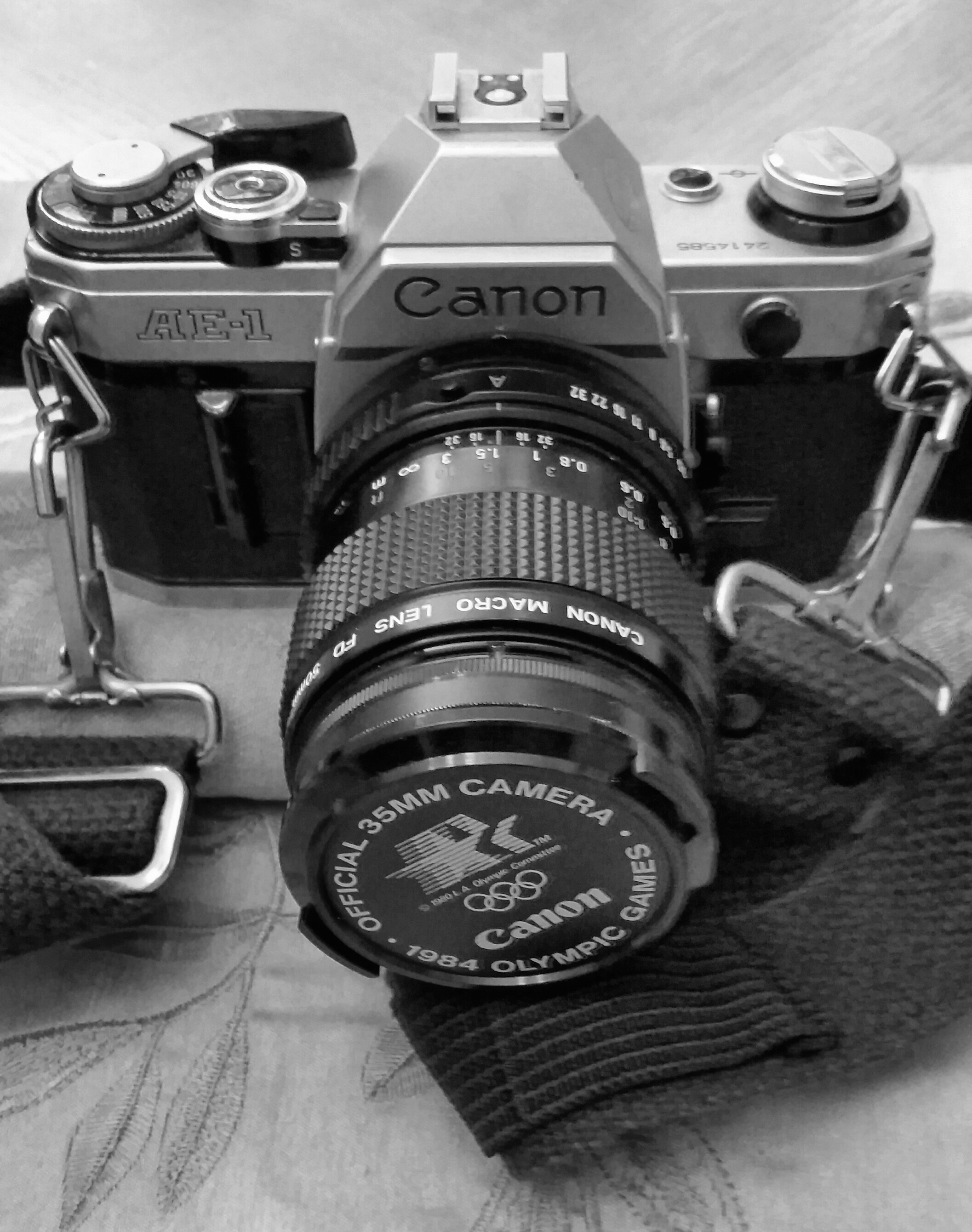
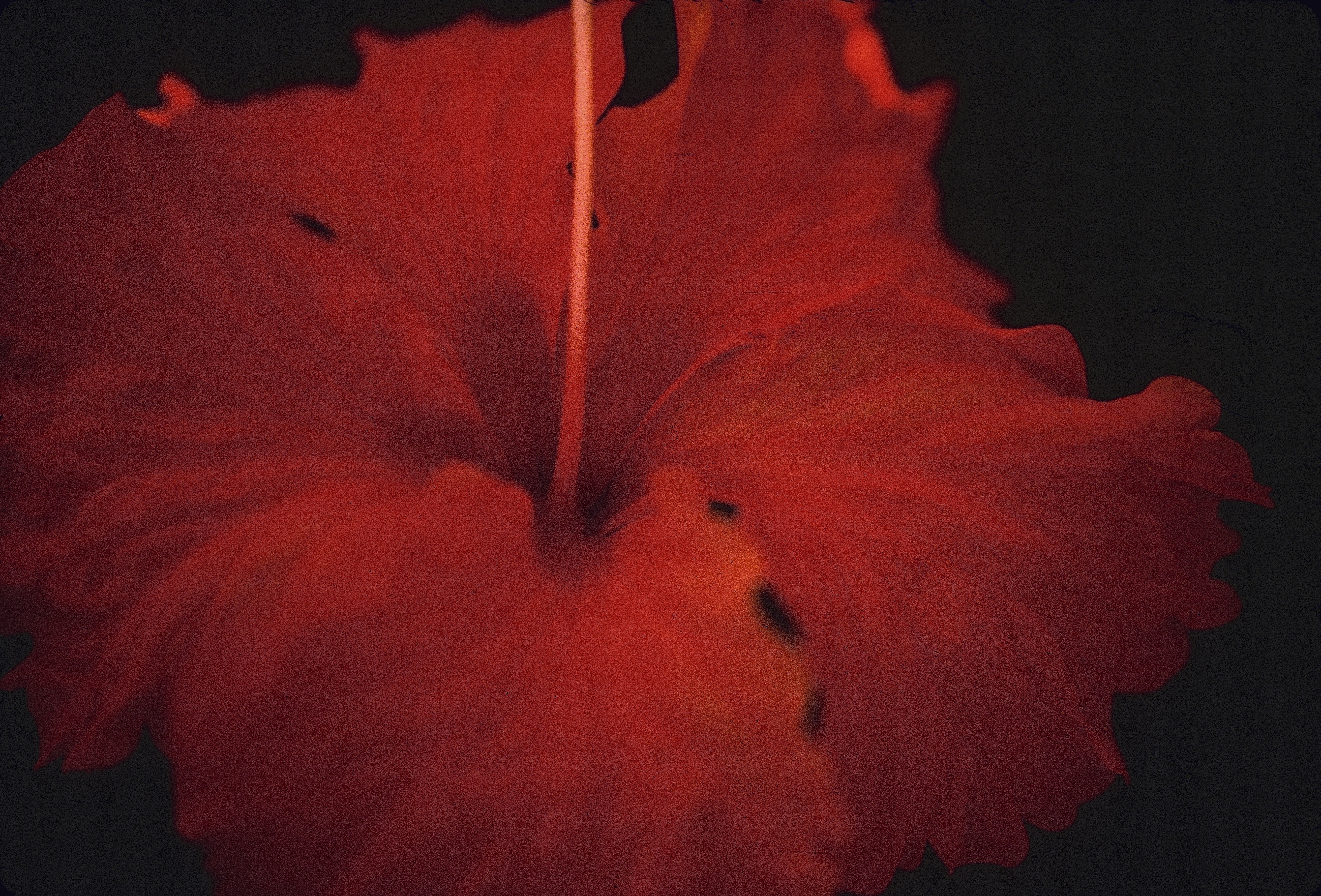
 I was given an ‘old-school’ non-digitial Canon AE-1 camera for college graduation that I took with me almost everywhere. I especially liked taking images of flowers up close and personal. Interesting, given that I thrive working on strategy and planning, and not the details. I studied at the International Center of Photography, and my work had been exhibited a few times in NYC galleries. Being a ‘amateur’ photographer fueled my creative soul.
When I was taking pictures of flowers, I was in the ‘flow’. What is flow? Flow is a state of heightened focus and immersion in an activity for its own sake, without regard for outcome or results. In his book, “Flow: The Psychology of Optimal Experinence”, Mihaly Csikszentmihalyi teaches us how to experience this state, ‘Flow’, intentionally and not by chance. He discovered that people find genuine satisfaction during this state of consciousness. In this state you are completely absorbed in an activity, especially an activity which involves your creative abilities.
Mihaly Csikszentmihalyi says creativity is a central source of meaning in our lives. A leading researcher in positive psychology, he has devoted his life to studying what makes people truly happy: “When we are involved in creativity, we feel that we are living more fully than during the rest of life.”
In his research, he identifies a number of different elements involved in achieving flow. Basically, you need to do more and think less. You do this by removing the interference of the ‘thinking’ mind.
Then one day I stopped taking pictures. My creative flow stopped, or so I thought. The day that changed my relationship with my camera was 9/11. The day the world, as I and many others experienced, changed. I put down the camera and have not taken pictures since.
After 9/11, my relationship with the world changed too. I didn’t realize until many years later that I hid behind my camera. The truth was that I used it as buffer between me and the world. For me, it was barrier to connection. The camera enabled me to bridge my lack of self-confidence. What do you use as your buffer to engagement?
I know many professional photographers who are engaged with the world around them. Their cameras are an extension of self. Early on, the camera helped me develop self-confidence and awareness to the larger world around me. It also taught me patience, and allowed me to enjoy the little moments that surround our lives. At the same time, it kept me from connecting with others in a deep and meaninful way.
This awareness has taught me how to be engaged and present, each and everyday, even if there is fear and doubt. I now trust in my capabilities and talents. I am able to be vulnerable and strong at the same time. I am able to intentionally finds experiences where I am in the ‘flow’.
My wounds have healed and now, I am about to purchase my first digital camera to take me back to my love of photogaphy.
There are lessons to be learned here:
Life lessons can come from any of your experiences; personal and professional. It may take a long time to understand and the learnings can be profound.
Communication, clarity and connection contribute to improved engagement levels in the workplace and in life.
Engagement does make a difference. Consider the barriers your employess may use to avoid, and understand that engagement drives results.
Individual confidence is a natural by product of acceptance and acknowledgement
Cultivate experiences, professionally and personally, where you can be in the ‘flow’, without attachment to outcomes or results.
 Who Stole My Estrogen?